1. Transportation and Commerce: Linxiang served as a land and water hub in southern China in ancient times, with the Xiangjiang River waterway connecting the Yangtze River and Lingnan region. Inward and silk from the Central Plains traveled southward, while timber, aquatic products and mineral resources from the south circulated outward along the river. The Changsha Kingdom functioned as a distribution center for goods between the north and the south.
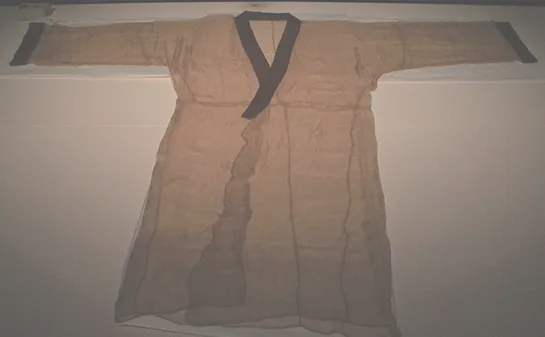
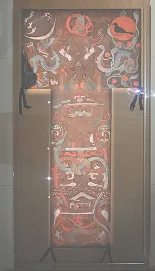
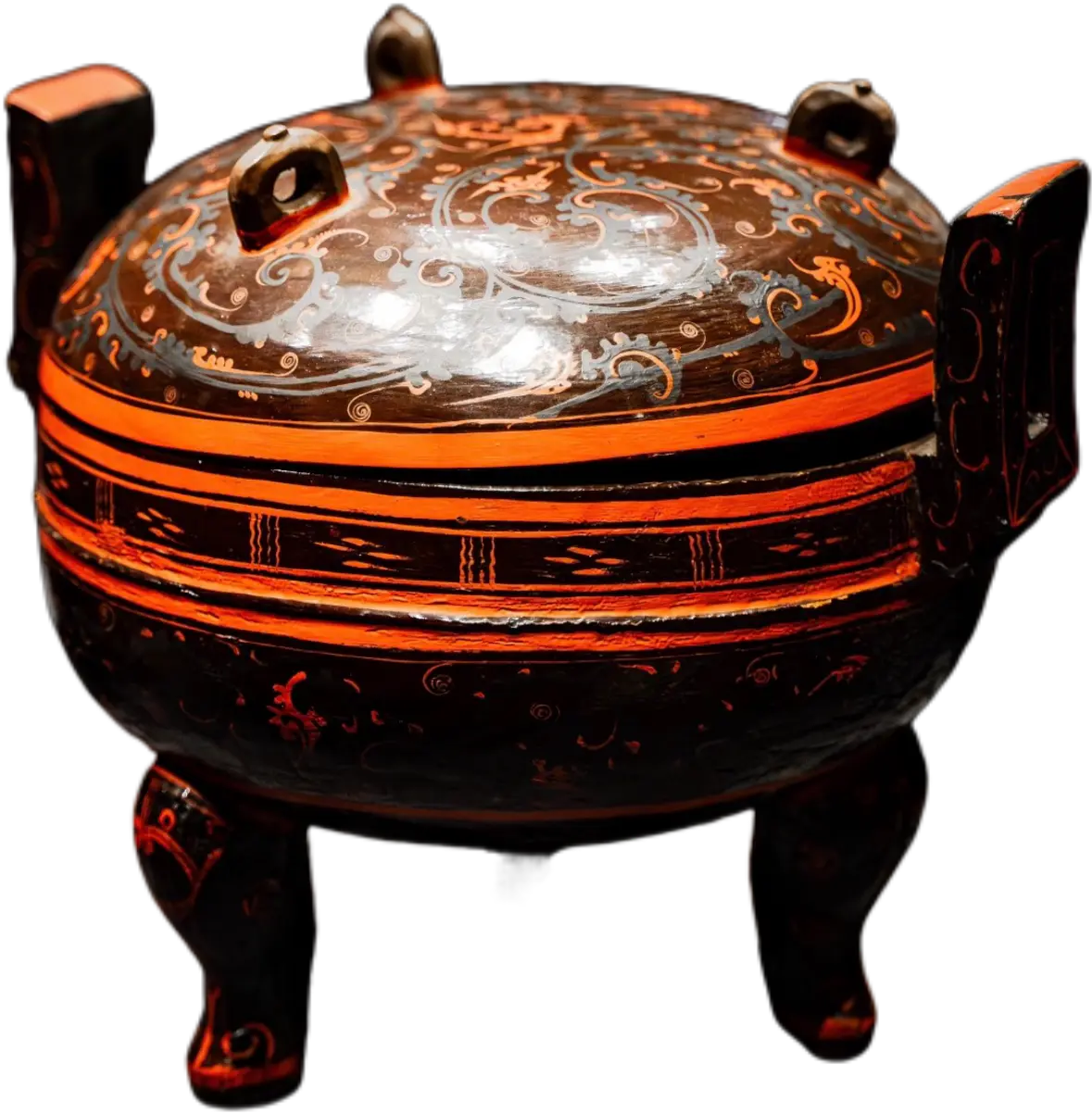
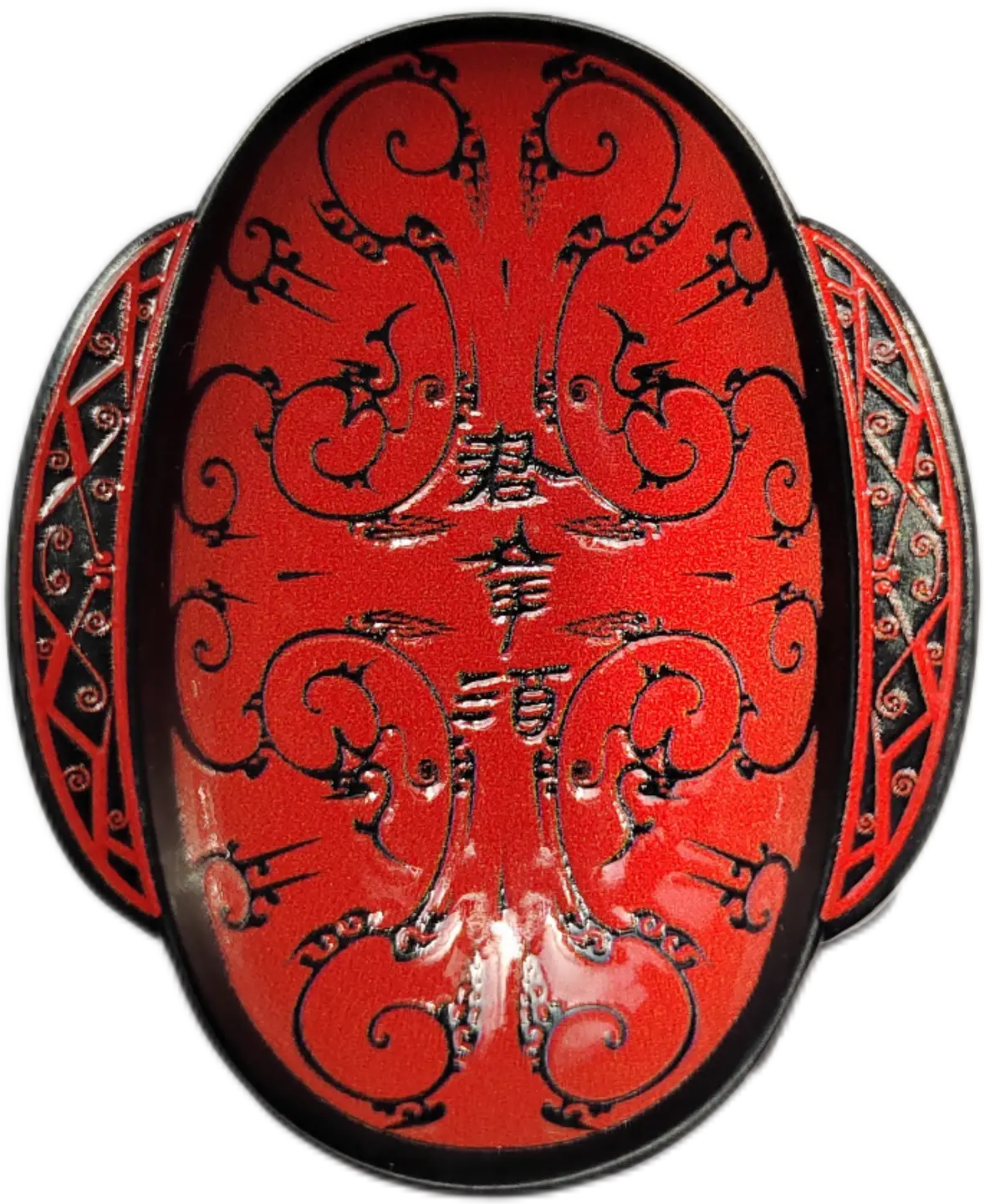
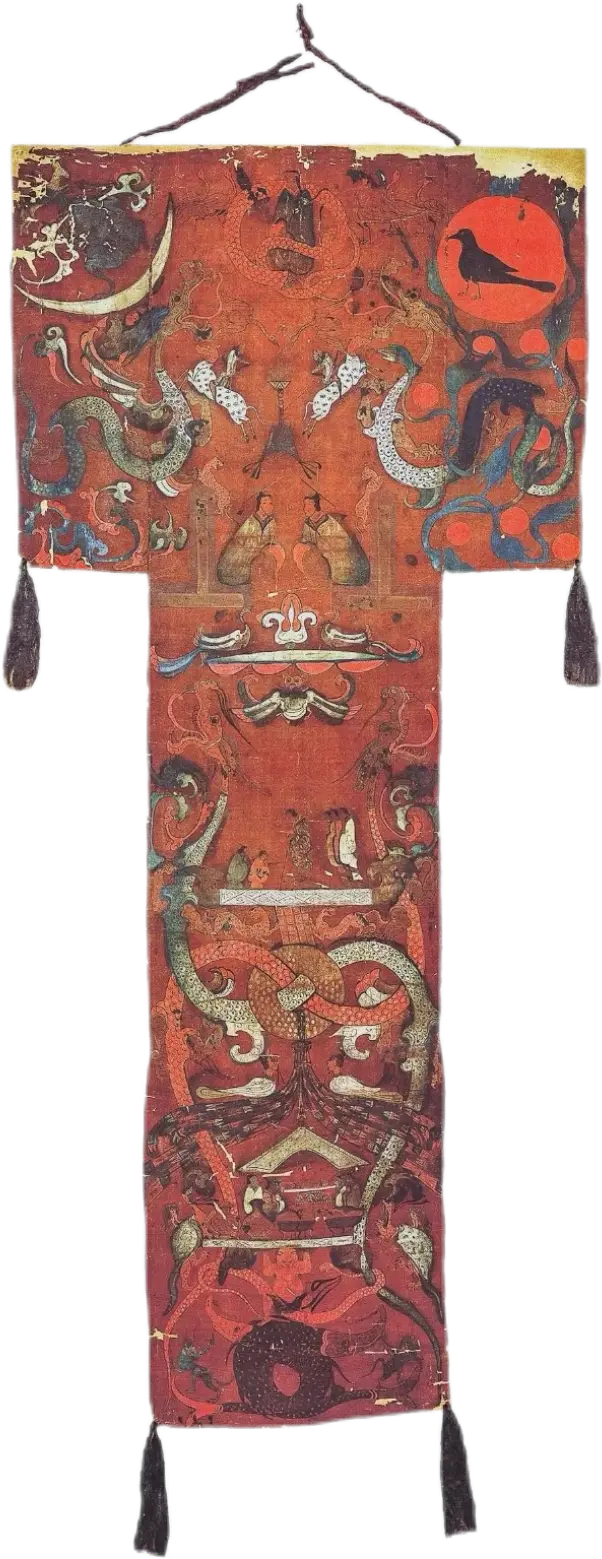
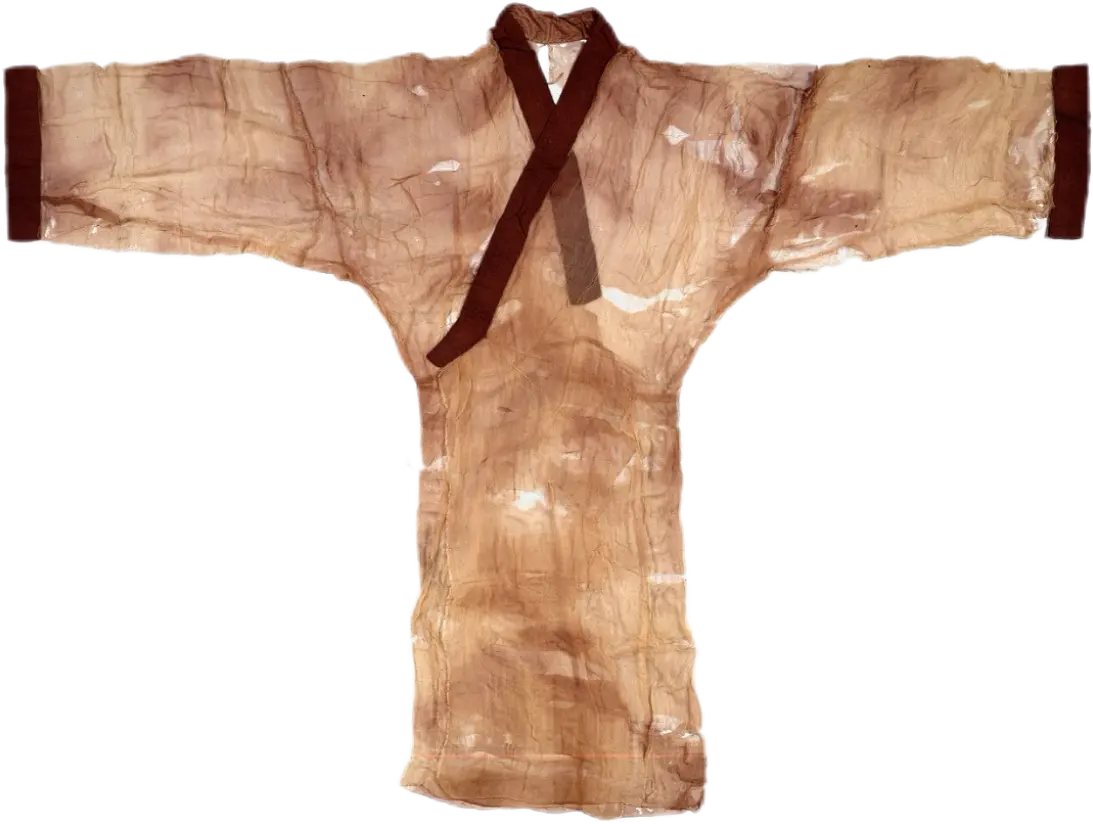
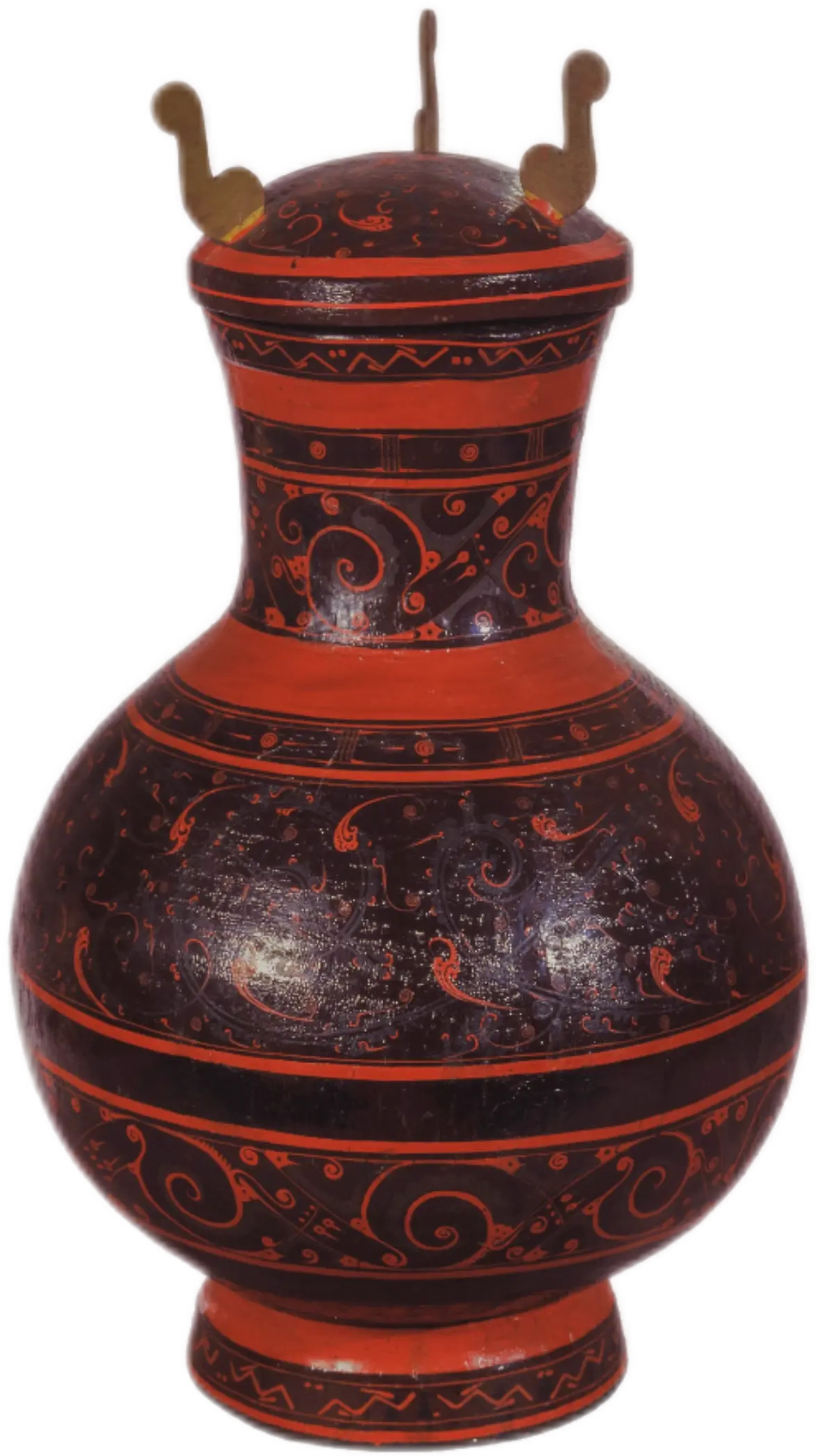
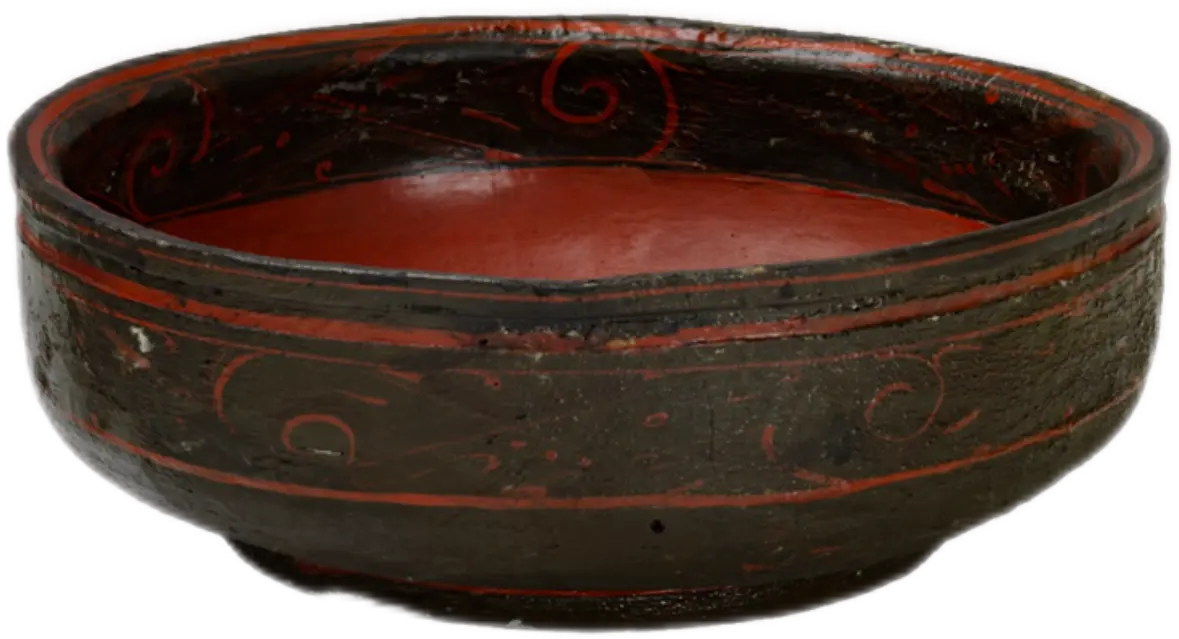
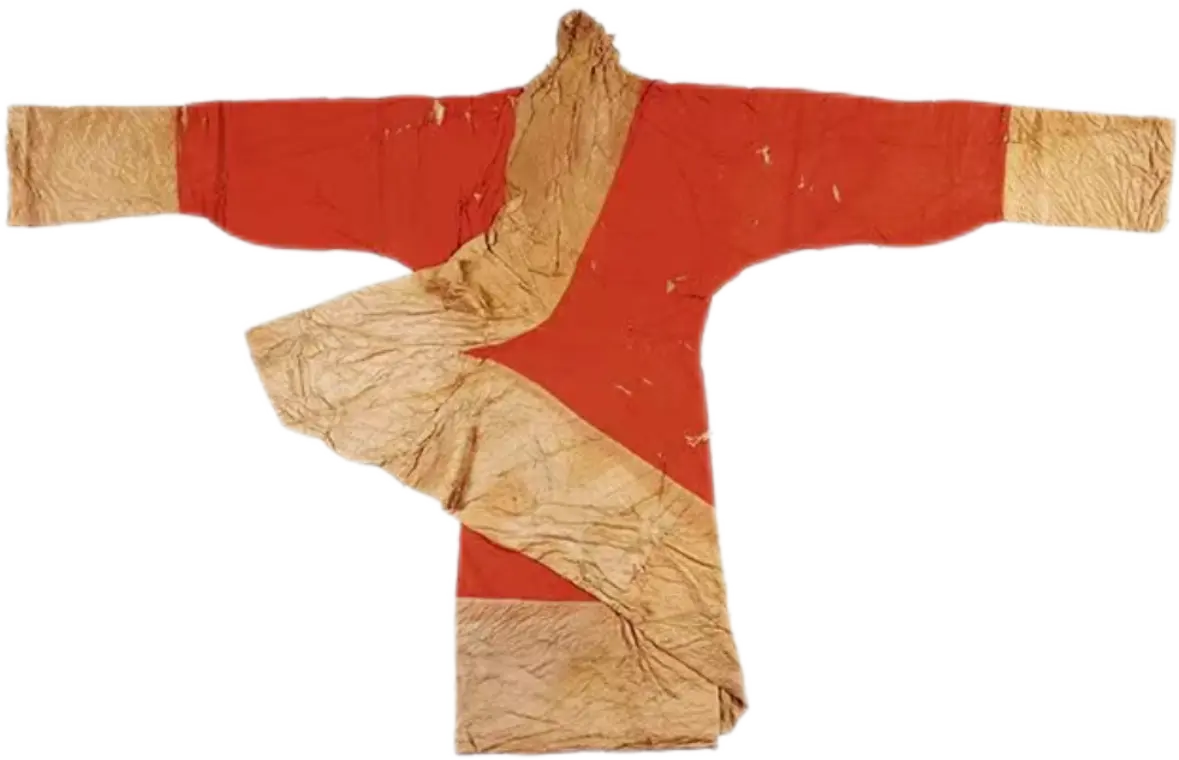
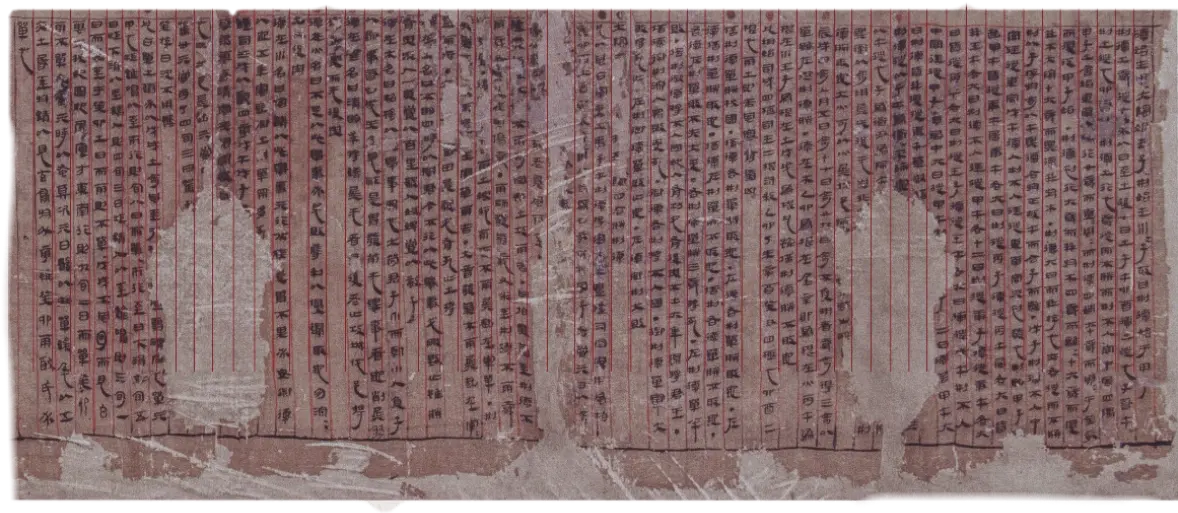
2. Industry: Hunan has maintained a long-standing rice cultivation tradition. The unearthed rice grains, ripened rice and field weeds from the Han tombs indicate that agricultural development in the southern region surpassed the north. In addition, the lacquerware, silk weaving, and bronze casting industries in the Changsha Kingdom reached a high level. Moreover, Chu-style lacquer painting was integrated with the weaving techniques brought by the Central Plains.
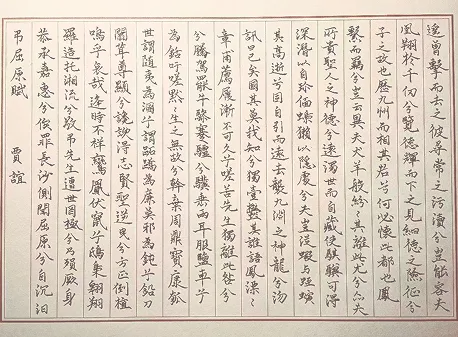
3. Thought and Beliefs: The Chu culture did not disappear with the Qin and Han dynasties. In Hunan, during the Western Han Dynasty, the Hunan people's spiritual characteristics of "daring to be the first" and "resolute and strong" were vividly presented. After the Han Dynasty, Hunan gradually became an important transportation hub connecting the Central Plains and Lingnan, and the Central Plains culture and Hunan culture blended and developed together.
1. Transportation and Commerce: Linxiang served as a land and water hub in southern China in ancient times, with the Xiangjiang River waterway connecting the Yangtze River and Lingnan region. Inward and silk from the Central Plains traveled southward, while timber, aquatic products and mineral resources from the south circulated outward along the river. The Changsha Kingdom functioned as a distribution center for goods between the north and the south.
2. Industry: Hunan has maintained a long-standing rice cultivation tradition. The unearthed rice grains, ripened rice and field weeds from the Han tombs indicate that agricultural development in the southern region surpassed the north. In addition, the lacquerware, silk weaving, and bronze casting industries in the Changsha Kingdom reached a high level. Moreover, Chu-style lacquer painting was integrated with the weaving techniques brought by the Central Plains.
3. Thought and Beliefs: The Chu culture did not disappear with the Qin and Han dynasties. In Hunan, during the Western Han Dynasty, the Hunan people's spiritual characteristics of "daring to be the first" and "resolute and strong" were vividly presented. After the Han Dynasty, Hunan gradually became an important transportation hub connecting the Central Plains and Lingnan, and the Central Plains culture and Hunan culture blended and developed together.


Social life